Han Dong-hoon-Jang Hye-young Debate Sparks Buzz: Why a Chung Chung-rae-Jang Dong-hyuk Matchup Fell Through
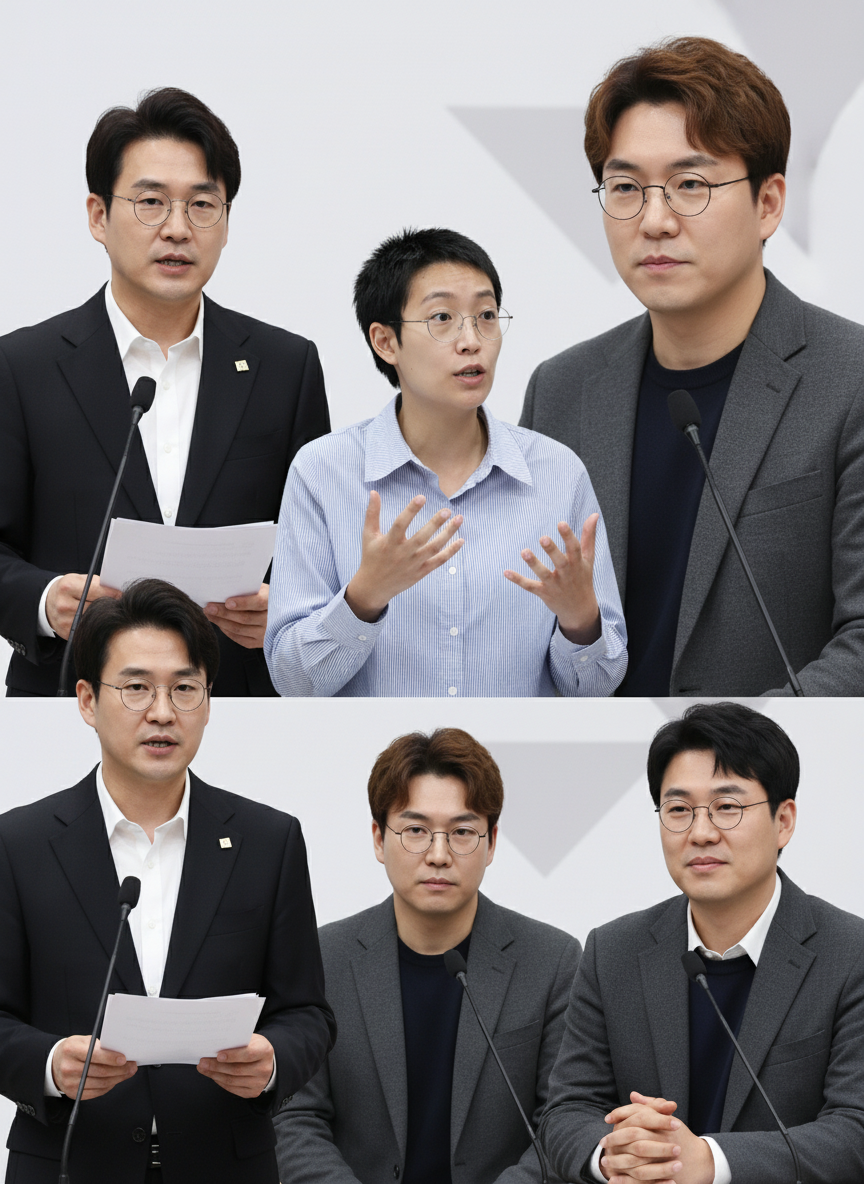
The recent debate between former interim leader of the People Power Party, Han Dong-hoon, and former Justice Party lawmaker, Jang Hye-young, on the topic of dawn delivery services has garnered significant attention. It's being lauded as a step towards overcoming outdated political norms and presenting a new form of communication. The debate is viewed positively for demonstrating a process of seeking common ground through constructive dialogue.
The Dong-A Ilbo, in an article written by political reporter Kim Joon-il and published on November 11, 2025, at 11:13 PM under the title "[Gwanghwamun/Kim Joon-il] A Han Dong-hoon-Jang Hye-young Style Debate… Is a Chung Chung-rae-Jang Dong-hyuk One Impossible?" highlighted the debate between Han and Jang, sparking discussion about communication methods in the political sphere. The article emphasizes the significance of this debate by comparing it to past attempts at political debates that ultimately failed.
The Han Dong-hoon-Jang Hye-young debate originated from discussions within the ruling party-led 'Social Dialogue Committee on Delivery Services' regarding restrictions on dawn delivery services (from midnight to 5 AM) for delivery workers. Jang Hye-young raised concerns about these discussions, leading to an online dispute between the two, which subsequently evolved into a one-on-one policy debate. This debate showcased how both sides, holding opposing views on improving the working conditions of delivery workers and maintaining dawn delivery services, listened to each other's arguments and sought reasonable alternatives.
In the past, there have been attempts to hold debates on contentious issues in the political arena, but few have actually materialized. In May 2023, then-Democratic Party leader Lee Jae-myung and People Power Party leader Kim Gi-hyeon proposed debates to each other, but they were unable to agree on specific agendas and methods, resulting in the cancellation of the debate. At the time, the two sides failed to narrow their differences on the selection of debate topics and procedures, and ultimately, the debate did not take place. In February of this year, Democratic Party leader Lee Jae-myung also proposed a public debate to People Power Party floor leader Kwon Seong-dong on the topic of inheritance tax reform, but due to Kwon's lack of participation, it did not lead to a substantive debate. Kwon cited other pressing issues besides inheritance tax reform as the reason for his reluctance to participate in the debate.
Currently, Democratic Party representative Chung Chung-rae and People Power Party representative Jang Dong-hyuk are engaged in continuous criticism of each other on major political issues. Both sides are showing sharp differences of opinion and continuing to make strong statements rather than engaging in dialogue and compromise. In particular, regarding recently controversial issues, both sides are directing intense criticism toward each other, exacerbating the conflict.
Some positive examples do exist. In the past, People Power Party candidate Ahn Cheol-soo and Reform Party presidential candidate Lee Jun-seok held a debate on the future of artificial intelligence (AI) and semiconductor technology. At the time, the debate was evaluated as a constructive forum for presenting visions for future industries and seeking policy alternatives. Ahn Cheol-soo and Lee Jun-seok conducted an in-depth discussion based on their knowledge of their respective areas of expertise, contributing to raising viewers' understanding of future technologies.
On November 5, 2025, an interview article with Yoon Tae-gon was published in Morning Journal. In that article, Yoon expressed a critical view of the lack of a debate culture in politics and emphasized the need to establish a constructive debate culture. Yoon argued that politicians should listen to each other's arguments and create a debate culture where they argue based on reasonable evidence.
Political insiders are hoping that the Han Dong-hoon-Jang Hye-young debate will serve as a positive precedent, leading to more debates on various topics in the political arena in the future. In particular, it is expected that debates on contentious issues will contribute to finding reasonable solutions and expanding public participation in politics. As public interest in communication methods in the political sphere has increased through this debate, it is being pointed out that politicians need to participate more actively in debates and make efforts to reach social consensus through constructive dialogue. Politicians must have an attitude of respecting each other and listening to the opinions of others, and they must seek reasonable solutions through debate. The political sphere is expected to hold debates on major policy issues and ensure the transparency and fairness of policy decisions through a process of collecting citizens' opinions. Citizens should actively participate in debates, express their opinions, and exert pressure on politicians regarding policy decisions. If politicians and citizens work together to create a constructive debate culture, our society will be able to develop further. In the future, the political sphere plans to hold debates on various policy issues to gather public opinion and reflect it in the policy-making process. In addition, politicians will strive to establish a debate culture where they listen to each other's arguments and argue based on reasonable evidence.
