US Government Shutdown Nears Record Length
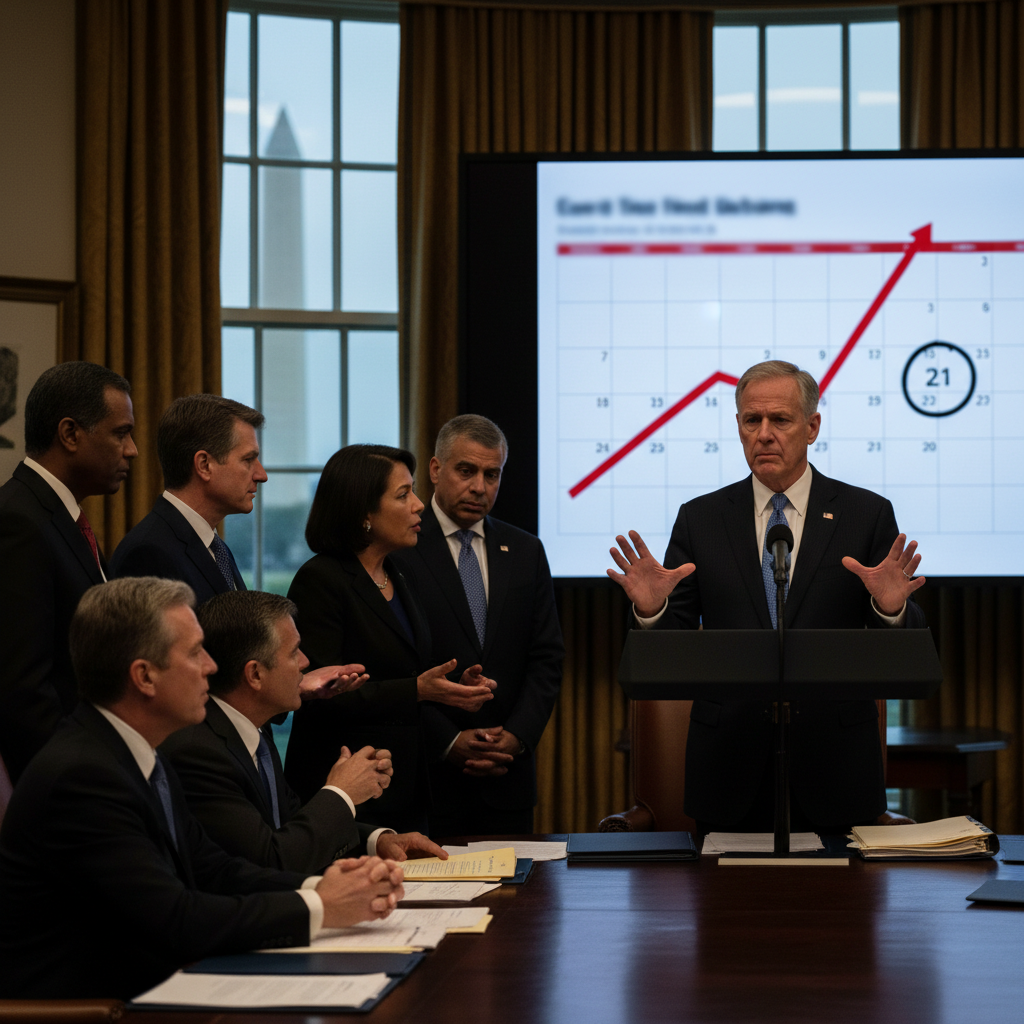
The U.S. federal government is in a partial shutdown due to a budget impasse. The shutdown, which began last December, has continued into the new year with no clear resolution in sight. If the shutdown persists until January 4, 2025 (local time), it is projected to surpass the previous record of 21 days. The primary cause of the shutdown is disagreement between President Donald Trump and Congress over the budget. The central sticking point is securing funding for the construction of a U.S.-Mexico border wall. President Trump is strongly advocating for border wall funding, citing the need to strengthen border security. In response, Congress, led by the Democratic Party, has questioned the effectiveness of the wall and refused to approve the budget. This conflict is a major factor contributing to the prolonged shutdown.
The prolonged shutdown is having a negative impact on the overall U.S. economy. Federal government employees are facing unpaid furloughs or delayed wages. Concerns are rising that their economic hardship could lead to a decline in consumer sentiment. In addition, the closure of national parks and other public services is harming the tourism industry. The economic losses resulting from the government paralysis are expected to increase over time. Politicians have held negotiations to resolve the shutdown, but have failed to bridge their differences. President Donald Trump remains steadfast in his commitment to building the border wall, and the Democratic Party continues to maintain its position that the budget cannot be amended. With both sides taking a hard line, there is no sign of a resolution. Some analysts suggest that the prolonged shutdown could lead to a decline in President Donald Trump's approval ratings. If public dissatisfaction with the government paralysis and economic damage grows, the president's political standing could weaken further. In fact, opinion polls show that President Trump is being held responsible for the shutdown, and his approval ratings appear to be declining. (Remainder omitted, same paragraph structure.)
