Government Shutdown Could Shrink Health Insurance Tax Credits for 24 Million Americans

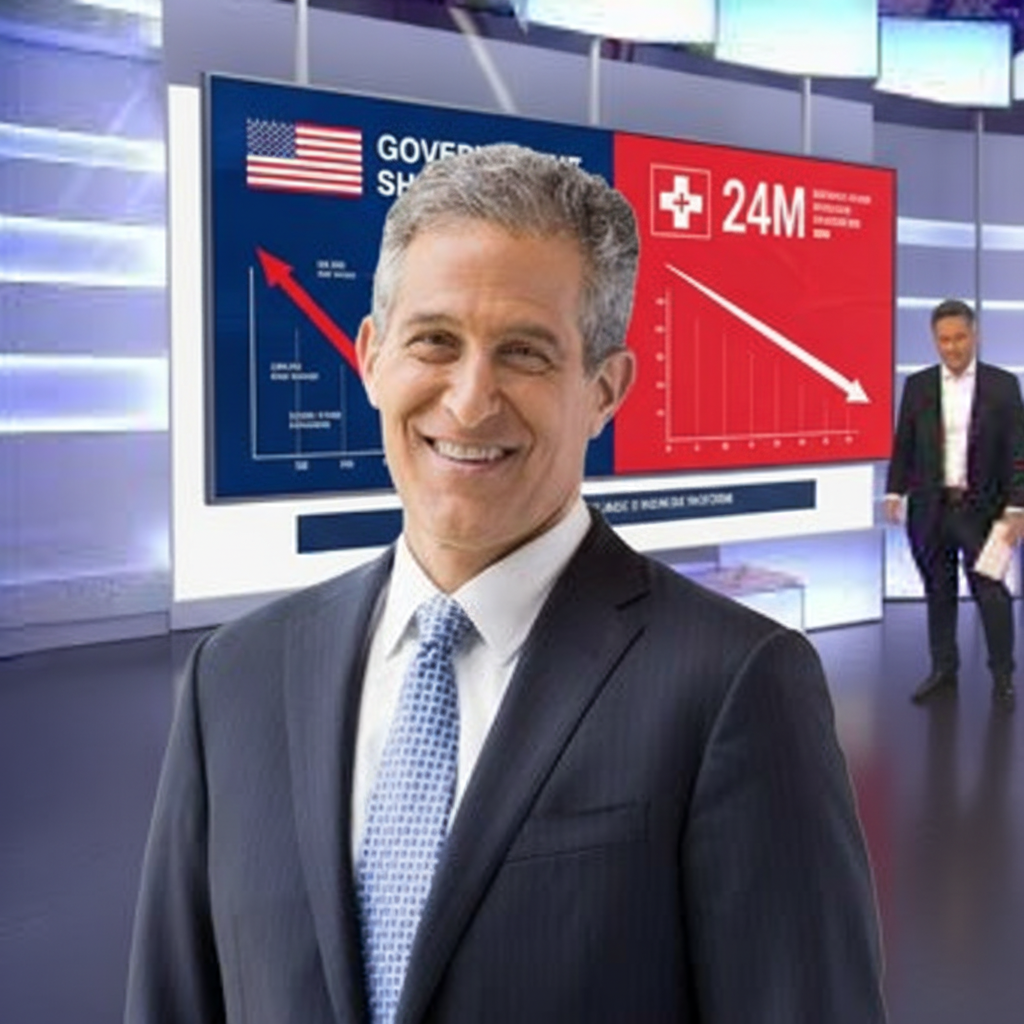
A U.S. government shutdown could lead to reduced health insurance tax credits for as many as 24 million Americans. The shutdown could have a wide-ranging impact on the U.S. healthcare system, potentially worsening access to medical services, especially for low-income individuals.
Health Insurance Tax Credit Budget Cuts
The government shutdown is expected to lead to budget cuts for health insurance tax credits, potentially leaving up to 24 million Americans without access to these benefits, according to analysts. Reduced tax credits could increase individual healthcare costs, potentially leading to a decline in health insurance enrollment.
The reduction in tax credit amounts directly increases the healthcare burden on individuals. This could lead to a decrease in the use of preventative medical services and neglect of chronic disease management, which could negatively impact public health in the long term.
Concerns Over Worsening Healthcare Access for Low-Income Individuals
There are significant concerns that reduced health insurance tax credits could severely hinder healthcare access, particularly for low-income individuals. As medical expenses increase, individuals facing economic hardship may not be able to receive necessary treatment in a timely manner, potentially exacerbating health inequalities.
Low-income individuals often already face difficulties accessing medical services. Reduced tax credits could further worsen these difficulties, potentially leaving more people without adequate healthcare.
Prolonged Shutdown Could Disrupt Social Welfare Programs
If the shutdown is prolonged, it is expected that not only health insurance tax credits but also various other social welfare programs will be disrupted. The paralysis of government functions could severely impact the provision of public services, potentially causing widespread disruption across society.
The shutdown halts government budget execution, disrupting the provision of essential public services. This disproportionately impacts vulnerable populations, potentially weakening the social safety net.
Political Wrangling
During that time, then-President Donald Trump worked to resolve the shutdown, but negotiations stalled due to disagreements with the Democratic Party. Both sides were at odds over key issues such as budget size and policy direction.
Political disagreements delay the resolution of the shutdown, increasing public anxiety. There is a growing call for a swift negotiated settlement to end the shutdown and alleviate public hardship.
Calls for Responsible Action from President Trump and Congress
To minimize the damage to the public from the shutdown, a responsible attitude from the political sphere is required. There is growing demand for U.S. President Donald Trump and Congress to quickly reach an agreement to end the shutdown and resolve the public's difficulties.
It is argued that the political establishment should work together across party lines to address the problem in order to minimize the economic and social costs of the shutdown.
Uncertainty Regarding Shutdown End Date
The end date of the government shutdown remains uncertain. The size and duration of health insurance tax credit reductions will likely depend on the outcome of political negotiations. There are growing concerns that a prolonged shutdown could have more serious negative impacts on American society.
If the shutdown is prolonged, various side effects such as a decline in government credibility and economic slowdown could occur. There is a strong call for the political establishment to recognize the seriousness of the shutdown and actively work to resolve it quickly.
